10 Non-Diet Changes That Will Change Your Physique
10 Non-Diet Changes That Will Change Your Physique
Oftentimes, new clients come to me saying they want to lose weight. But sometimes, when I look at their current habits, I can see they’re not actually -ready- for a calorie deficit yet.
They might be training inconsistently, sleeping five hours a night, barely drinking water, rushing through meals, sitting all day and then trying to compensate with an absolutely feral workout whenever they have the energy.
Adding the demands of a dieting phase on top of that usually isn’t the best move~~
SO, instead, I’ll often put them into a body recomposition phase. And this is the part people don’t always expect… their physique often changes dramatically before we’ve intentionally reduced their calories at all.
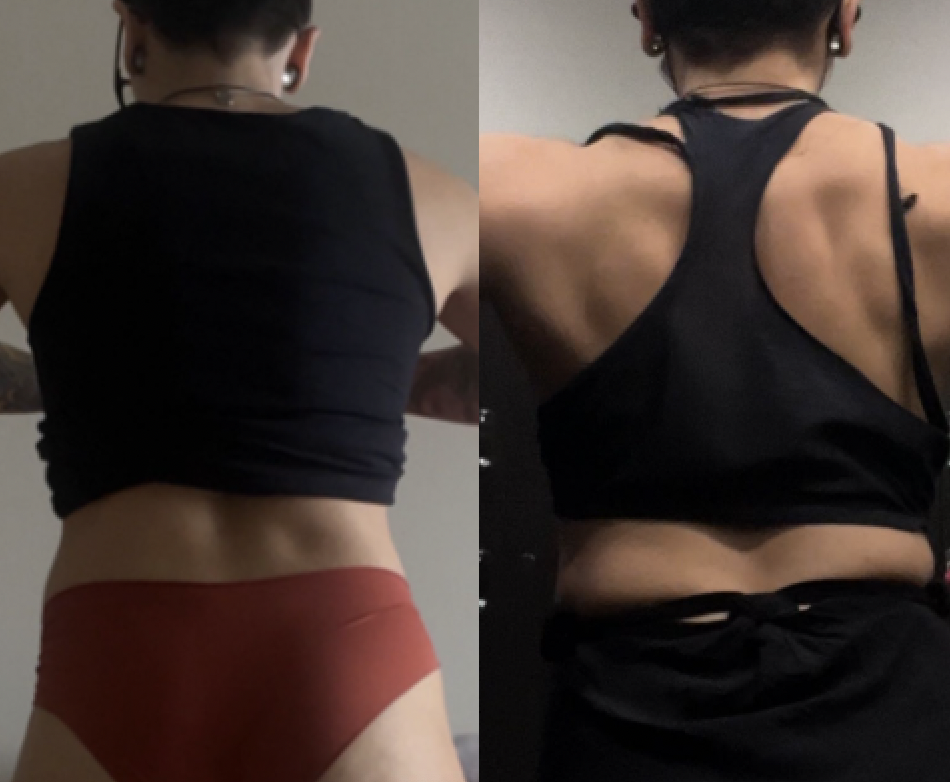
1kg heavier on the right - 3 months difference
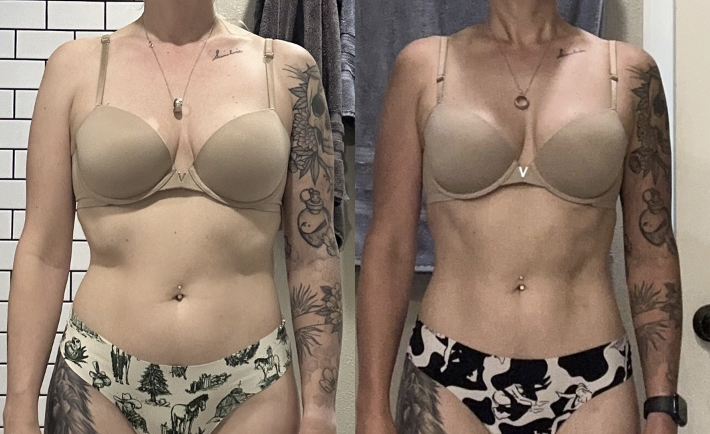
same weight - 4 months difference
Here are 10 of the lifestyle changes I help my clients make (that you can replicate) to look leaner, less puffy, less bloated, more muscular and more “put together”, even if the scale barely moves.
1. Drinking enough water consistently
Being properly hydrated will not magically cause fat loss, but it can change how you look and feel surprisingly quickly.
When someone is drinking very little throughout the day and then suddenly downing litres at night, their hydration status can fluctuate considerably. That can affect training performance, bowel regularity and the way their muscles look.
Muscle tissue contains a significant amount of water, and hydrated muscles tend to look fuller. Meanwhile, dehydration can contribute to constipation, which may leave your abdomen feeling harder and more distended.
2. Improving exercise technique and muscle recruitment
Completing an exercise and training the intended muscle are not automatically the same thing.
You can move a weight from point A to point B using momentum, compensations and every muscle except the one you were actually trying to train. Technically, the reps happened…but the target tissue may not have received a particularly useful stimulus.
Improving your setup, stability, range of motion, tempo and control can allow you to place more meaningful tension on the intended muscle. Over time, that can alter your proportions through muscle growth. Want my help? I have in depth exercise technique videos WITH voiceovers inside Power Curve - my hourglass program > check it out here
You don’t necessarily need more exercises or do to obscure things you find on the internet. Sometimes you need to get more from the exercises already in your program 😊
3. Getting sufficient, regular sleep
Sleep is one of the least exciting physique tools because nobody gets to sell you a sparkly powder for it with their commission link. Unfortunately, it matters enormously.
Consistently insufficient sleep can impair recovery, training performance and insulin sensitivity. In a controlled study in women, reducing sleep to approximately 6.2 hours per night for six weeks impaired insulin sensitivity independently of changes in body fat. You can read the study here if you want!
Poor sleep can also make it harder to train with the intensity and coordination needed for progressive overload. If you’re dragging yourself through every session, your body isn’t receiving the same quality of stimulus it would if you were properly recovered.
Then there’s the more immediate visual effect…
A bad night’s sleep can leave you looking puffier around the eyes and face, with duller skin and less muscle fullness
One good sleep won’t completely transform your physique, but several months of regularly getting enough sleep can improve how you train, recover and look.
4. Improving ribcage–pelvis alignment
This one can create a much bigger visual difference than people expect.
If your ribcage is consistently flared upwards and forwards while your pelvis tips forwards, your lower belly may sit further out even if your body-fat level hasn’t changed.
Improving ribcage–pelvis alignment can help you manage pressure through your trunk more effectively. This usually involves learning to exhale properly, position the ribs without aggressively “sucking in”, and strengthen the deep abdominal muscles while maintaining a more stacked position during movement.
But improving the way you position and control your ribcage and pelvis can change how your waist and abdomen look both at rest and during movement. It can also give you a much better base for exercises like squats, presses, hinges and loaded carries.
Want to learn more about it? Read this blog article
5. Reducing excessive alcohol intake
Alcohol can affect your physique even before we discuss the calories it contains !!
It can disrupt sleep, interfere with rehydration andddd reduce the quality of your training and recovery. Higher alcohol intakes after resistance training may also interfere with parts of the muscle-repair process.
Alcohol may also leave you looking puffier or more inflamed the following day. It can initially increase fluid loss, while the combination of dehydration, disrupted sleep and whatever high-sodium meal appeared at 1 am can create a fairly dramatic.. but temporary.. change in how your face and abdomen look.
This does not mean you can never drink if you care about your physique. But if you’re drinking heavily or frequently enough that it repeatedly disrupts your sleep, hydration and training, reducing your intake can make a noticeable difference without deliberately reducing food intake.
6. Eating more slowly and chewing properly
Eating very quickly can cause you to swallow more air, particularly if you’re also talking, drinking through a straw or gulping fizzy drinks. This can create that post-meal bloat that you keep blaming bread (or whatever other singular food) for.
Chewing your food properly also begins the mechanical process of breaking it down before it reaches your stomach.
It won’t cure every digestive problem, and persistent bloating deserves proper investigation, BUT slowing down can reduce one very simple and common source of post-meal discomfort.
Try sitting down to eat, allowing more than six minutes for a meal, and put your fork or spoon down between each mouthful to actually chew your food properly. Your abdomen may look quite different when it isn’t inflated with the air you accidentally inhaled alongside lunch.
7. Managing your total stress load
The gut and brain communicate constantly. Psychological stress can alter gastrointestinal motility, increas sensitivity and aggravate digestive symptoms.
Stress can also disrupt sleep, reduce recovery, affect training quality AND make basic self-care feel much harder.
This is why I look at a client’s total stress load, not just how many gym sessions they completed.
Your body does not recover exclusively from training.
It is also managing work deadlines, relationship stress, illness, travel, poor sleep and the 47 unfinished tasks circling your brain at all times. Sometimes the most useful thing we can do for someone’s physique is reduce the amount their body is being asked to recover from :) !
8. Taking planned deloads
Hard training creates fatigue, that’s normal.
But if training stress continues climbing without enough recovery, performance can begin to drop.
You may feel constantly sore, heavy and flat, lose motivation, struggle to progress your lifts and generally look less like someone thriving from their program.
A deload is a planned period where training demand is temporarily reduced. This might mean reducing sets, load, effort, training frequency or some combination of them. The goal is to lower accumulated fatigue so you’re ready to train productively again.
You don’t lose your results because you trained a little less for one week. But you may make it much harder to progress if you refuse to back off until your body forces you to.
Want a program that already considers your recovery? Try my Power Curve Method
9. Increasing baseline movement and interrupting long periods of sitting
Firstly, don’t need to turn every day into a 20,000-step endurance event.. but moving regularly outside the gym matters.
Long periods of uninterrupted sitting can affect post-meal glucose and insulin responses.
People often refer to this as “nutrient partitioning”, but I think that phrase can overstate what we know.
I cannot promise that a ten-minute walk will direct every carbohydrate you eat into your glutes. What we can say is that active muscle uses glucose, and breaking up prolonged sitting can improve the way your body handles a meal in the short term.
Baseline movement can also help with circulation, stiffness, digestion and bowel regularity. It may improve your posture simply because you’re not spending ten consecutive hours folded over a laptop.
Keep it simple btw!
Think short walks, standing up between work blocks, taking the stairs, doing errands on foot or moving for a few minutes after meals.
10. Wearing clothing that fits your current body
This final point doesn’t physiologically change your physique, but it can completely change how your physique is presented.
If a waistband digs into your abdomen, a bra cuts across your back or a seam sits at the widest part of your hip, it can alter your silhouette and make you feel uncomfortable and hyperaware of your body all day.
Different cuts also create different proportions. A properly fitted bra can change how your waist and torso appear. The position of a waistband can emphasise or minimise the waist. Shoulder seams, necklines, skirt lengths and the width of a trouser leg can all change the visual balance of your body.
Sometimes you don’t need to lose five kilograms. You need to stop wearing trousers that are two sizes too small and ruining your entire day.
—
Now, none of these things are secret fat-loss hacks, and I’m not suggesting calories have no role in changing body fat. If fat loss is the goal, a calorie deficit is ultimately required.
But “I want my body to look different” does not always mean “I need to eat less”.
Sometimes the most appropriate first phase is to improve the foundations required for a future deficit to work without your entire life falling apart.
Before automatically cutting your food again, ask yourself: have I actually given my body the basic conditions it needs to look and perform its best?
Because you may have far more room to change than you realise, and dieting might not be the next step.
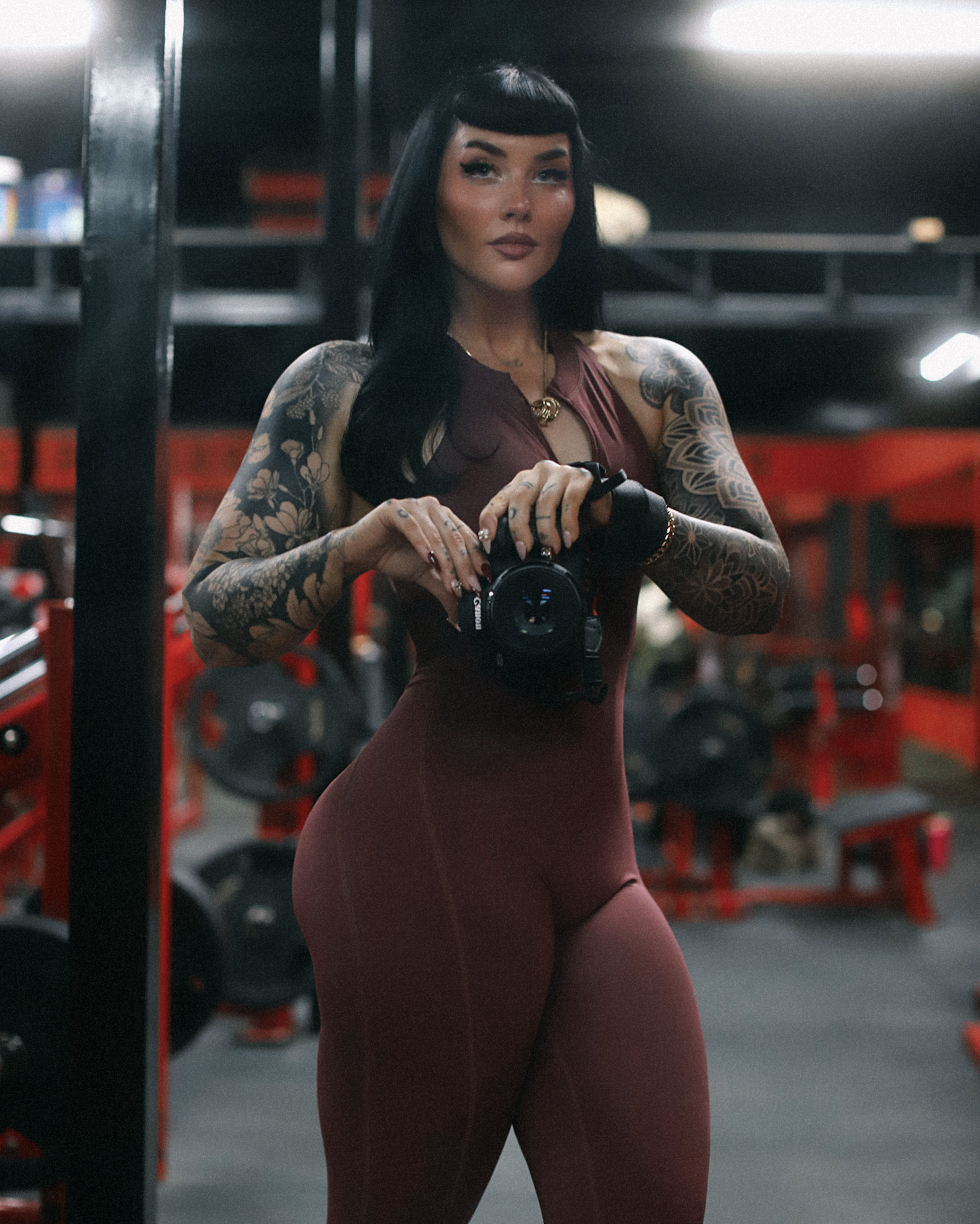
Hey there, I’m Rachel!
NUTRITIONIST, PERSONAL TRAINER, WELLNESS COACH
If you’re ready to ditch the all-or-nothing mindset and build a strong, confident body—you're in the right place.
✨ Start with my free 5-day Mini Mindset Reset to design a healthy lifestyle that actually fits your life.
🍑 Or join The Power Curve Method, my signature hourglass training program built to shape your glutes, waist, and mindset from the inside out.
While we make every effort to make sure the information in this website is accurate and informative, the information does not take the place of medical advice.