Why Your Waist Isn’t Changing (Even Though You Train Your Abs)
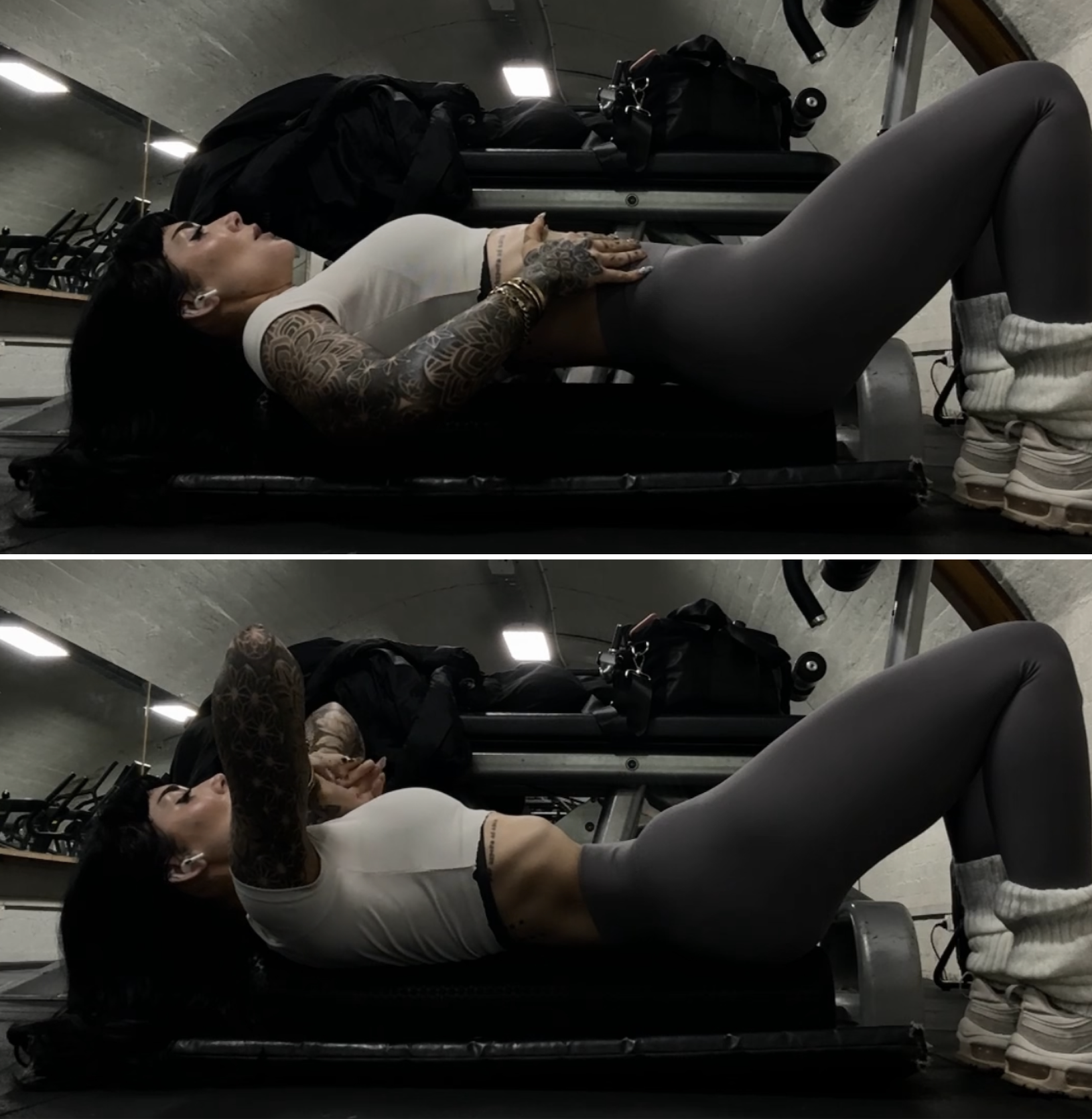
Why Your Waist Isn’t Changing (Even Though You Train Your Abs)
Women come to me allllll the time wanting that hourglass look, it’s something I’m great at programming for!! Think,smaller waist, fuller glutes, wider upper body. BUT when we first meet they feel stuck. They’re training hard, they’re pretty consistent, they’re trying to integrate tips they’ve seen online… and nothing is really changing where they want it to.
There are a few moving parts when it comes to building that shape, but today I want to zoom in on your waist specifically !
And just to be clear, when I mention things like a “lower belly pooch” or rib flare, this isn’t about body shaming. These are simply the patterns and concerns my clients bring to me when we first start working together. I’m not criticising your body if any of these elements are currently present, I want you to understand the mechanisms causing these :) !!
Why a Strong Core Actually Matters
This isn’t just aesthetics!!!
A lot of the “waist” issues people notice, things like that stubborn lower belly area, poor posture, or feeling unstable in lifts, often come with underlying dysfunction!!
Likeeee:
Weak or poorly coordinated deep core muscles
Reduced pelvic floor support
Poor pressure management in the abdomen
Pelvic tilt
Left unchecked, these can show up later as back pain, pelvic floor issues, or reduced performance in training !
So when we fix your core properly, yes, your waist looks better, BUT you’re also preventing other problems before they start.
Abs vs Deep Core
Most people think “core training” = abs. When I first started training that’s what I thought too!
So movements are added in like:
Crunches
Sit-ups
Leg raises
Ab circuits they found on Instagram
These primarily target the rectus abdominis, the “six-pack” muscle. That’s your most superficial layer (closest to the skin).
But your core is layered.
From surface to deep:
Rectus abdominis (”six-pack”)
Obliques (”side abs”)
Transverse abdominis (TVA) - your deep core
That deepest layer, the TVA, acts like a built-in corset. It wraps around your torso and helps control intra-abdominal pressure, stabilise your spine, and hold everything in.
And here’s the problem:
Most training programs completely neglect it 🙃
Training your “six-pack muscles” without understanding proper breathing patterns and deep core control means you’re going to be missing out on a lot of benefit. You might feel the burn, you might even see some definition, BUT you’re not actually improving how your core functions. Without the ability to manage intra-abdominal pressure and keep your ribs and pelvis aligned, those surface-level ab exercises can reinforce poor patterns, like rib flare or excessive bracing through the wrong muscles. Over time, this limits how much your waist can actually “pull in”.
“Suck Your Belly In” - Quote from Aunty or Mum, probably
If you grew up in the early 2000s, you probably heard this:
“Just suck your stomach in.”
Mum, aunty, magazine advice… all well-meaning, all incomplete hah.
Because no one taught you how to brace your core properly….
So what happens instead?
You pull your stomach in by lifting your chest
Your ribs flare out
Your pelvis tilts
You create tension in the wrong places
Over time, this can exaggerate that lower belly “pooch” and make your waist look wider, even if body fat is low. It also forces you to breathe more from the upper chest, creating a physiological stress response within the body. Over time this can upset digestion, disturb sleep, and a whole other range of things.
Rib and Hip Alignment
Your ribcage and pelvis should be stacked.
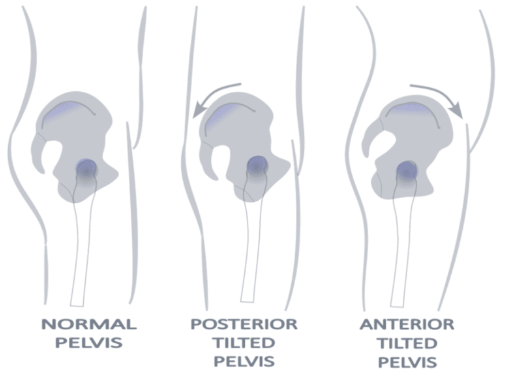
When they’re not, you lose control of your core.
The most common one I see in women is
Rib flare which is where ribs lift and point forward, which then also creates
Anterior pelvic tilt where hips tilt down slightly, it will pop the booty out, but we’ve got a whole cascade of structural misalignment now.
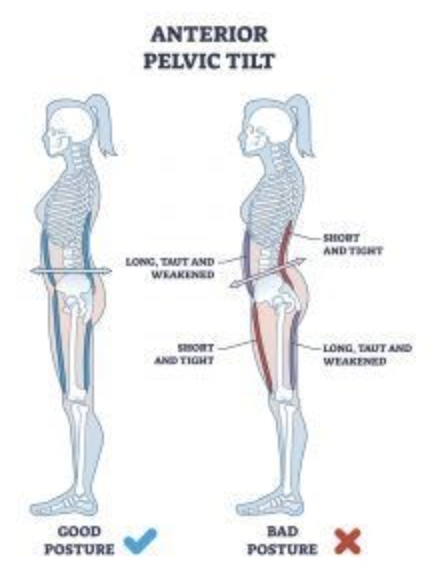
What happens from here:
Hip flexors are tightened (or tightness is causing the pull in the first place)
Lower belly is pushed outward
Tightness/soreness in the lumbar and/or thoracic spine
It feels hard to activate glutes when training lower body so you think you’re “quad dominant” and struggle to grow glutes and hamstrings
Let’s Talk About the “Lower Belly Pooch”
It’s not your uterus, let’s just clear this up first.In most cases, it’s:A small amount of body fat (completely normal)Combined with poor core controlExaggerated by rib and pelvic positioningSo you can diet harder, do more cardio, smash more abs… aaaaaaand it still doesn’t change, because it’s a structural issue.
What Is Rib Flare (And Why It Matters)?
Rib flare is when your lower ribs lift and angle outward instead of staying stacked over your pelvis.It often comes from:Shallow chest breathingPoor core engagementPelvic tiltMost women don’t know that this small position change over time can cause poor pelvic floor control, back pain, and even diastasis recti.
So… How Do You Start Fixing These?
Deep Core TrainingThis is the piece most people, and many training programs skip. It doesn’t feel ‘hard’, there’s not the ‘burn’, it’s not as exciting as lifting weights.Deep core work should be relatively frequent (I do almost daily), it should be LOW fatigue work, it should be technique-focused.If you want a structured place to start, I’ve put together a full correction routine inside my 7 Day Hourglass Reset
Here are two movements you can integrate right now:
1. 360 Breathing (Massively Under-utilised)
Most people breathe into their chest, not intentionally, but it’s that shallow, fast, stress-driven breathing.
Especially if you’re busy, high-performing, or neurodivergent, you’re likely running in a constant low-level stress state. That changes how you breathe (!!) WHICH changes how your core functions.
360 breathing means:
Expanding your ribcage all the way around
Front, sides, and back
Not just lifting your chest
A simple way to practice (grab a straw for this)
Lie on your back with your knees bent and feet on the floor
Breathe in through your nose, allowing your rib cage to expand in all directions (imagine there’s an umbrella being opened inside the bottom of your ribcage)
Exhale fully by pushing your breath out through the straw
Feel your ribs knit down and your pelvis tuck into it’s correct alignment
Then inhale again, focus on letting your breath expand the sides and back of the ribs, not just the front
Once you’ve developed the mind-muscle connection you can do this without the straw.
This alone can start to improve posture, reduce rib flare, and reconnect your deep core.
2. Stomach Vacuums
This is direct TVA training.
Here’s one of my tutorials:
Done consistently, this helps:
Improve waist control
Reinforce proper positioning
Build that “corset” effect
Improve core strength for compound lifts
Correct posture
So stop trying to integrate every new ab workout you find !! Stop trying to force more intensity or diet your way down to nothing.
There is a BETTER WAY!! 😊
If you want these principles fully integrated into your training so you don’t have to think about it, it’s already built into my Power Curve Method:
https://thepowercurvemethod.com
PLUS you’ll have access to more in-depth modules on all of the topics mentioned in this post.

Next Training Phase Starts Soon!
April 27 until July 5
Valkyrie Phase
4 training days per week (3 essential, 1 optional) scheduled directly in the app
Access to over 700 recipes and built-in meal planner
Q&As with Rachel every 2 weeks to get your questions answered
These things are exactly what we focus on inside Power Curve, so you’re not just doing workouts, you’re following a specific structure that actually changes your shape!
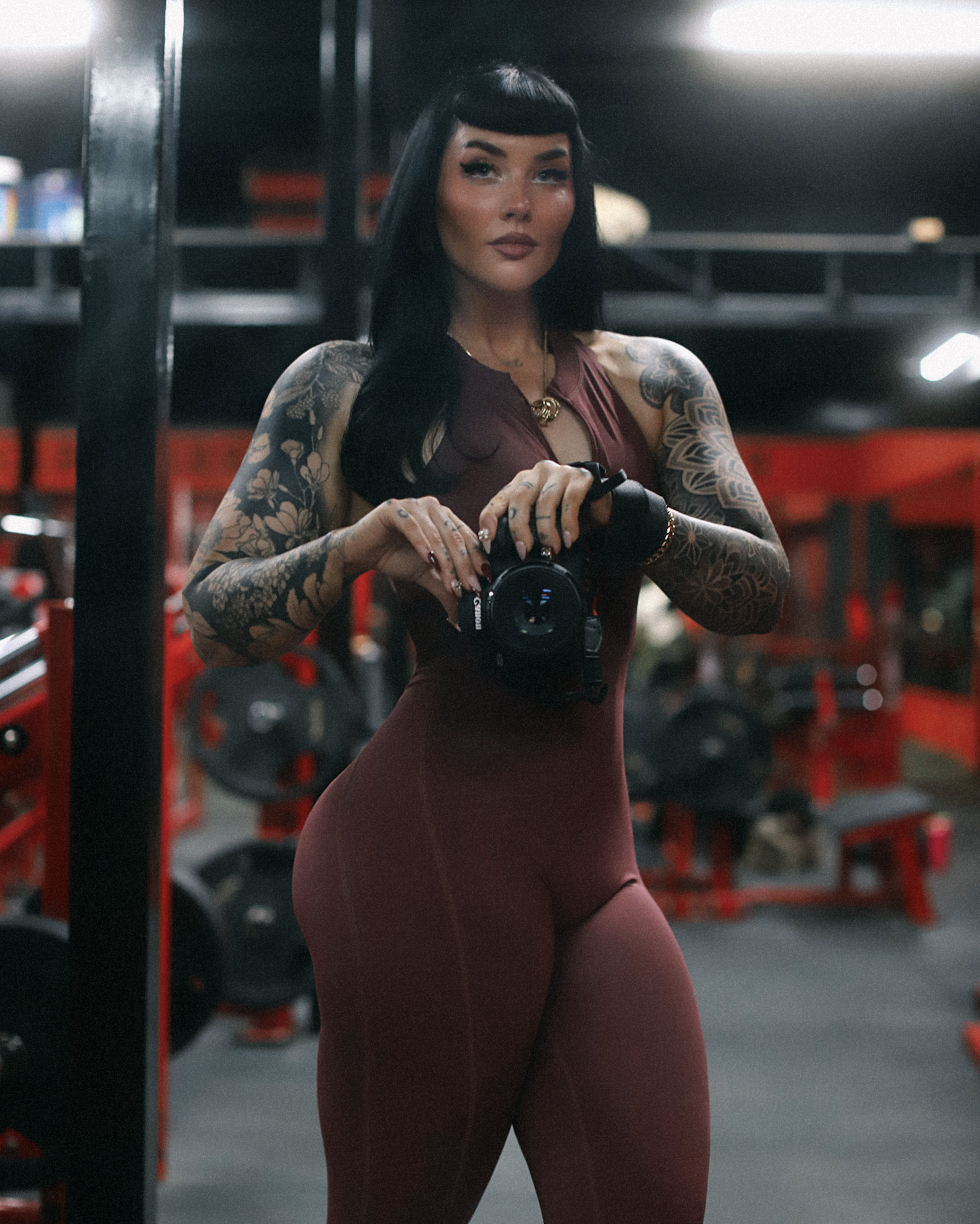
Hey there, I’m Rachel!
NUTRITIONIST, PERSONAL TRAINER, WELLNESS COACH
If you’re ready to ditch the all-or-nothing mindset and build a strong, confident body—you're in the right place.
✨ Start with my free 5-day Mini Mindset Reset to design a healthy lifestyle that actually fits your life.
🍑 Or join The Power Curve Method, my signature hourglass training program built to shape your glutes, waist, and mindset from the inside out.
While we make every effort to make sure the information in this website is accurate and informative, the information does not take the place of medical advice.